Understanding the process to secure zero IPVA and request reimbursement for the past five years is crucial.
This article offers a reliable pathway for car owners hoping to optimize their tax rights. Whether you’re curious about rebates, recent changes, or if you simply seek clarity, all the key steps are covered below.
What Is IPVA and Why Is It Charged?
IPVA stands for Imposto sobre a Propriedade de Veículos Automotores , a state-level vehicle tax in Brazil.
Its structure varies according to vehicle type, age, and location. Revenue from this tax funds essential public services, though many still question how fair or transparent the distribution can be.
Who Is Eligible for Zero IPVA?
Eligibility for zero IPVA tends to focus on two main groups: individuals with disabilities (PcDs) and owners of vintage, older vehicles. Some states also exempt specific job roles, or electric and hybrid cars, although the rules shift frequently.
It’s never entirely straightforward; sometimes, even vehicles over a certain age get partial or full exemption. Local regulations found at the Secretaria da Fazenda usually list precise conditions.
Disability-Related Exemptions (PcD)
Persons with qualifying disabilities (or legal guardians) may access IPVA exemption.
This extends to vehicles adapted for their needs or bought under specific incentive programs. Not every condition qualifies, and paperwork must be current and precise.
Old and Classic Cars
In many regions, cars older than 10, 15, or even 20 years receive automatic IPVA exemption.
However, there is no national rule; in some places, an annual re-registration is still necessary. Vintage or collector status might influence eligibility too.
Other Special Situations
Policy shifts affect electric, hybrid, taxi, and official vehicles differently. Each state sets its own criteria.
Sometimes, government fleets or those tied to non-profit organizations enjoy broader exemptions, but reviews occur regularly.
When and Why Can You Request IPVA Reimbursement?
If a taxpayer pays IPVA by mistake, or after eligibility for exemption, the tax authority may recognize the right to a refund.
Possible causes include administrative error, an exemption granted post-payment, or car status changes. It’s not always a quick fix; patience may be necessary as claims can take months to process.
Common Scenarios for Refunds
- Vehicle owner granted exemption but continued to pay IPVA unknowingly
- Disability benefits recognized retroactively
- Car misclassified on state records
- Double payment due to owner transfer or bureaucracy delays
The statutes may limit back-claiming to five years, so timing does matter.
What Documents Are Needed to Start Your Claim?
While requirements can change by state, most tax agencies ask for a standardized set of paperwork.
Accuracy makes approvals more likely, but often, diligence in organization plays a big role, too.
- Updated RG and CPF of the applicant
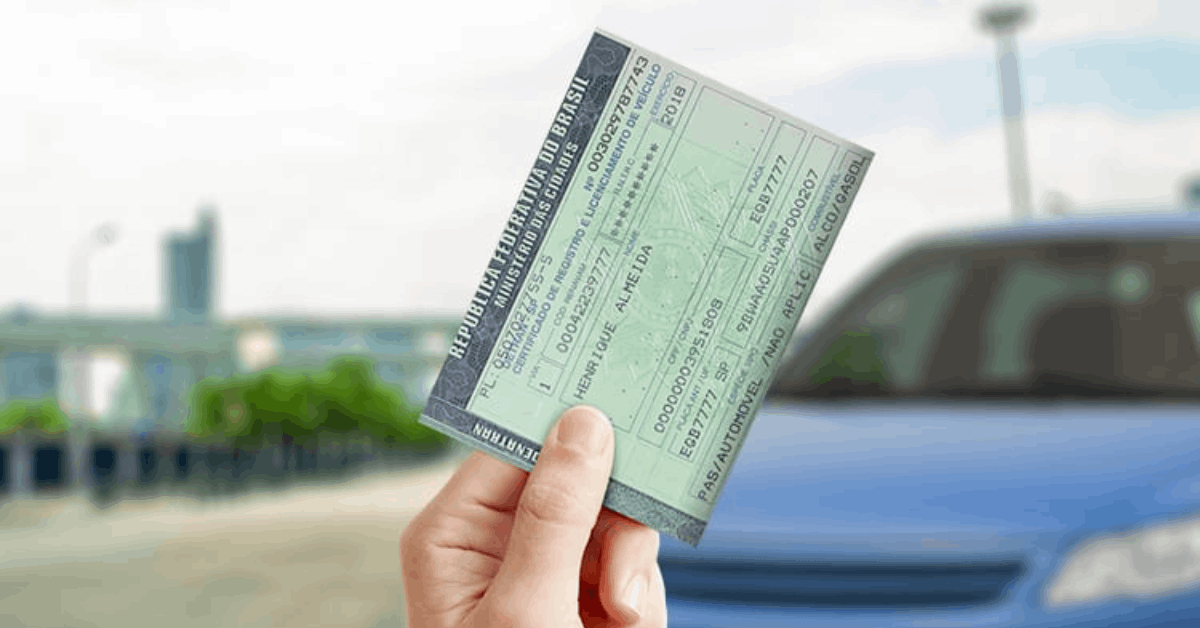
- CRLV (vehicle registration document)
- Proof of disability or legal qualification (when relevant)
- Proof of payment for the contested IPVA periods
- Formal request letter (some states offer a digital form)
It may help to include recent utility bills, or other documents confirming your address, especially if filing remotely.
How to File for IPVA Exemption and Reimbursement
Applying for zero IPVA or reimbursement nowadays can often be done online through your state’s Secretaria da Fazenda portal.
That being said, some offices might still require an in-person step, particularly for sensitive disability-related cases.
Online Process Overview
- Locate the tax portal relevant to your state (e.g., Secretaria da Fazenda do Estado de São Paulo)
- Create an account or login using your registered credentials
- Navigate to the “IPVA” section, then find options for exemption or restitution
- Attach scanned copies of required documents (PDF or image formats, depending on the system)
- Submit your request and save a copy of the protocol number
Keeping screenshots and submission confirmations is always prudent. Occasional system errors or lost uploads happen, and a complete trail helps resolve potential confusion.
In-Person Application Steps
If online tools fail, tax office branches continue to help. There’s usually a ticketing system, so busy periods can test your patience.
Nonetheless, most local teams strive for clarity and may offer specific guidance based on your case.
How Long Does Reimbursement Take?
The processing window for IPVA refunds often stretches from a few weeks to several months. Some receive responses in under 30 days; others may need to follow up more than once. If your claim covers several tax years, extra scrutiny is common.
Tracking Your Request
After submitting a claim, checking its status in the online system is advisable. Most state platforms have dedicated tracking tools for protocol numbers, though updates can lag.
Occasionally, processing delays relate to incomplete paperwork, so double-check email or official messages for further requirements.
Potential Challenges or Delays
Some claimants encounter hurdles such as missing documents or eligibility doubts. It’s not rare for requests to require more supporting evidence or an official physician’s report for disability-related cases.
While rules exist to make things predictable, local interpretation sometimes leads to inconsistent results.
Tips to Reduce Headaches
- Check for updated guidance on your state's official website before preparing the application
- Keep all receipts and communication organized in a folder
- Resist rushing—a thorough review of eligibility criteria may avoid wasted effort
- Be open to correction: occasionally, even well-prepared claims hit snags
Sometimes, persistence brings positive surprises, even if initial feedback feels discouraging.
Is Legal Assistance Necessary?
Most cases proceed without lawyers, yet some situations genuinely become complex. Disputes about medical eligibility or state interpretations of vehicle status sometimes require expert help.
Legal consultation can lead to faster outcomes or validate a more complicated claim timeline, although costs may outweigh benefits in straightforward cases.
Monetizable and Related Topics to Explore
- Annual vehicle tax calculators
- Recent changes to IPVA policies by state
- How to appeal an IPVA denial
- Impact of IPVA exemption on resale value
- Comparisons of IPVA for electric versus conventional vehicles
Each of the above ideas can guide new research or focus areas for readers already interested in IPVA, helping to increase engagement and overall session duration.
Frequently Asked Questions About Zero IPVA and Refunds
Can you really claim IPVA refunds for five years?
State laws usually allow reimbursement for up to five years, though some interpretations exist. Staying within that timeframe usually raises your chances.
Does a denied reimbursement block you from future claims?
In practice, a denial only affects that period or application. As regulations evolve, new eligibility may emerge—even for rejected applicants.
Is IPVA exemption automatic when your car gets older?
Not always. Some states remove the tax automatically, while others require a formal request. Annual re-registration can sometimes remain necessary.
What happens if you sell an exempt car?
Tax obligations typically reset when ownership transfers. The new owner may need to reapply for exemption or pay IPVA, depending on the situation.