Most people have heard of cell phone trackers by number , but not everyone understands what really goes on behind the scenes. If you've ever wondered whether these tools actually work, or how safe and ethical their use is, you're definitely not alone.
This guide explores the core mechanics so anyone curious about tracking a phone by number can make informed decisions. It's written for individuals, parents, or small business owners interested in understanding this technology, its legitimate uses, and the privacy considerations around it.
The main focus is on clarity, safe browsing practices, and real-world applications—especially for those who value peace of mind.
What Is a Cell Phone Tracker by Number?
At a basic level, a cell phone tracker by number refers to software or services that can estimate a device's location if given the device's phone number.
This concept does sound appealing, maybe a little like something from a TV show. In reality, though, most reliable tracking solutions require consent from the device owner or some legal authorization.
The idea behind these trackers often leads to curiosity: Is it really possible to find someone by just their number? The answer isn’t entirely straightforward, as there are technical, legal, and ethical boundaries.
How Does Phone Number Tracking Technology Work?
The way tracking works depends on the technology used and the permissions granted. In general terms, there are a few main methods worth understanding.
These methods sometimes overlap, adding to why the story around tracking by number can seem confusing.
Network-based Location Tracking
Mobile carriers can use their infrastructure to triangulate a device’s location using signal strengths from cell towers.
This generally requires robust legal procedures; for instance, law enforcement must follow strict protocols. This means ordinary people, even with the best intentions, can’t just request this kind of help.
GPS Tracking with Consent
Many apps, including those for family safety or fleet management, work by installing a tracker on the device and getting consent from the user.
Once consented, the phone uses GPS to transmit precise location data, often updating in real time. These apps usually let users turn tracking on or off.
Web-based Tracking Services
Some websites claim to offer track by phone number services, but caution is wise here.
Many of these services are either scams, ineffective, or could potentially breach privacy rules. Most legitimate services—think family locator apps—will always seek permission before tracking a device.
Legitimate Uses for Number-Based Tracking
It makes sense that people seek out ways to track a device by its number. There are real, responsible reasons for wanting this capability. Some examples include:
- Parental control: Parents interested in their children's location for safety.
- Small businesses: Companies that need to manage delivery or service fleets.
- Lost phone recovery: Locating a misplaced device with the user’s permission.
- Supporting vulnerable individuals: Checking on family members with medical needs, always with their consent.
However, the common thread with all reputable applications is that they are transparent and require the tracked person to agree to be found.
What Are the Risks and Limitations?
Plenty of myths still surround phone location tracking by number . Some assume these services are always reliable, or that they work instantly for anyone, but in practice this isn't typically the case.
Accuracy Limitations
Tracking by number alone is rarely pinpoint accurate unless the device itself is cooperating (as with an active app). Carrier-based triangulation might offer an approximate area, but it’s not precise—think city block, not street address.
Privacy and Legal issues
It’s important to understand the privacy boundaries. In most regions, tracking someone without consent isn’t just frowned upon; it could be illegal. Services promising anonymous tracking should raise red flags. If something feels off, it probably is.
Potential Scams
The internet is full of offers that seem convincing—"track any phone instantly by number".
But many of these can be attempts to collect your data, spread malware, or trick you into subscriptions. As a rule, legitimate tracking solutions won’t work without the device user's knowledge.
Popular Cell Phone Tracking Apps and Tools
For those seeking legal, ethical ways to track phones, many apps come up as reliable options. Here are a few categories, though not a complete list by any means:
Family Locator Apps
There are apps designed specifically for families, letting members see each other’s locations on a private map. Examples include Life360 and Family Link from Google. These tools provide clear consent mechanisms and privacy settings.
Device Management Tools
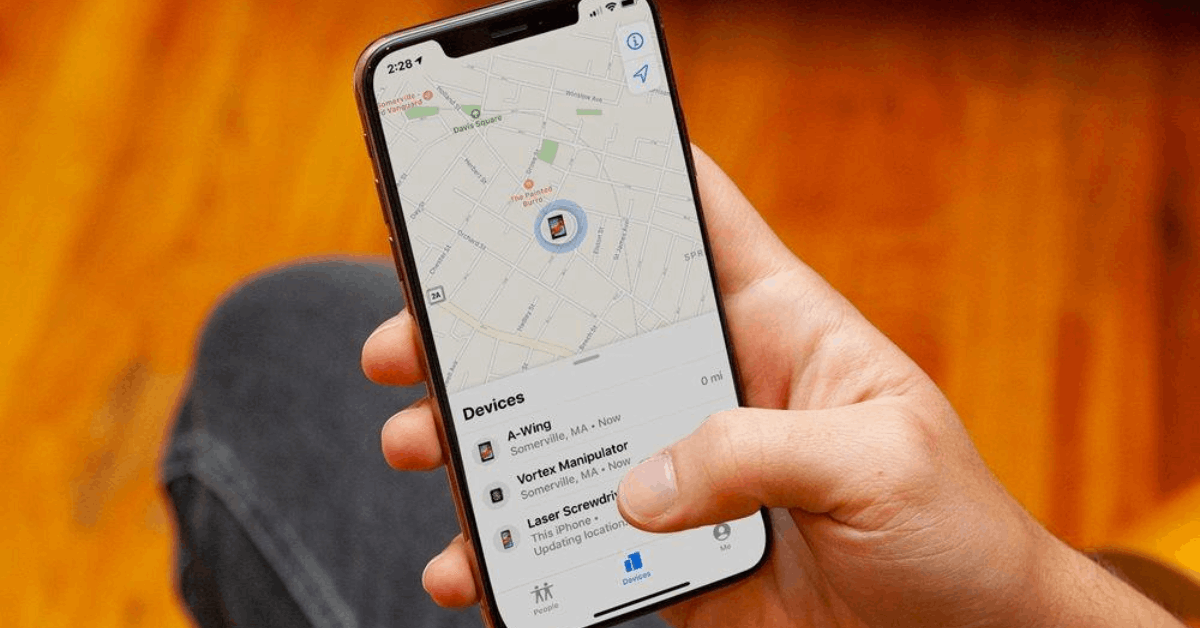
Apple’s Find My iPhone and Android’s Find My Device offer device location if the user has set this up. They are invaluable for recovering lost phones and work only with proper authentication.
Business Fleet Tracking Software
Companies frequently use dedicated fleet-management tools, which include location tracking as a core feature. Here, consent isn’t just implied—it’s part of job agreements and company policies.
How to Choose a Safe and Effective Phone Tracker
Given how many trackers are on the market, deciding on one can seem like an uphill task. Here are a few criteria often recommended for a careful choice:
- User permissions: Does the user being tracked know and consent?
- Data security: Is the provider transparent about where your data goes?
- Legal compliance: Does the app comply with privacy laws in your country?
- Reputation: Are there independent reviews or industry approvals?
- Features: Is it fit for purpose—family, business, lost device, etc.?
The best approach: treat lofty promises with skepticism and look for apps with clear consent features.
Frequently Asked Questions About Phone Tracking by Number
Is it possible to track someone’s phone with only their number?
Not directly, unless you have the legal right or explicit permission and specialized tools. Carriers and law enforcement might, but the general public can’t legally do so without involvement or consent.
Are tracking apps legal?
Tracking apps are legal if used transparently and in accordance with national and regional laws. Secret tracking, or use without consent, usually breaks privacy regulations and can lead to legal trouble.
Can I find my lost phone with a tracker?
Yes, provided you set up a service such as Find My iPhone or Find My Device before losing it. These platforms adhere strictly to user privacy standards and require your login credentials.
Ethical Considerations in Phone Tracking
While technology keeps advancing, the ethics of tracking are still up for discussion.
There’s a big difference between a parent checking if a child got home and tracking someone secretly. The best practice, generally, is open communication. If there’s hesitation, considering everyone’s comfort can be helpful.
It’s clear that, even with advanced technology, the human element—like trust and respect—matters just as much as technical features.
Staying Safe: Tips for Using Cell Phone Trackers Responsibly
- Check local laws before using any tracking technology.
- Always obtain consent from the person you wish to track.
- Use well-reviewed, reputable apps with strong privacy protections.
- Avoid •free• online trackers that make big promises but don’t explain clearly how they work.
- Keep your own device secure from unauthorized tracking attempts.
Setting clear expectations and using responsible apps means technology can provide security—without risking privacy or violating laws.