The excitement around collecting World Cup stickers never seems to fade. For fans hoping to complete their albums, online sticker trading offers the chance to find those elusive last pieces. But trading stickers over the internet, while convenient, brings some risks.
Scams, lost mail, and privacy concerns are all realities to keep in mind. This article walks through how online sticker trading actually works, some best safety practices, and the main ways to make every swap feel less nerve-wracking.
Why Online Trading Makes Sense for World Cup Stickers?
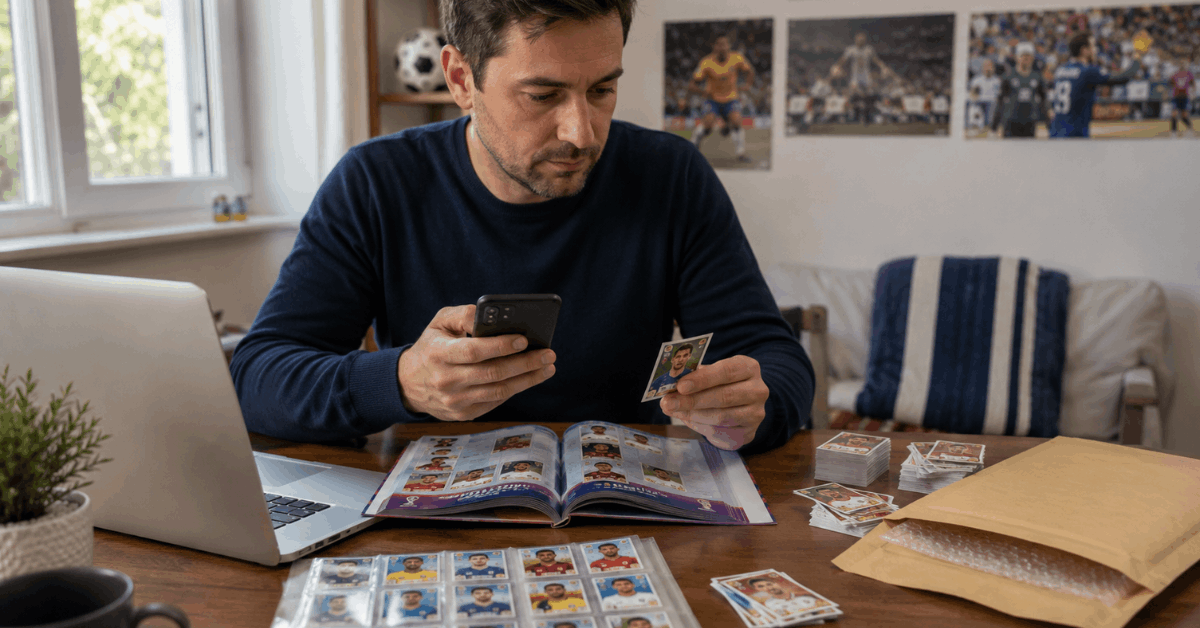
Sticker trading has always been social, but now most people go online to find the items they need. It’s practical: you get access to collectors worldwide. The odds of finding exactly what you need seem better, even if the process can feel daunting at first.
Access to Global Communities
Joining large trading communities online—whether in forums, apps, or dedicated groups—creates opportunities unavailable in small local circles.
These platforms often feature rating systems and profiles, letting users understand the reputation of each trader before making a swap.
Speed and Efficiency
Online exchanges allow trades to be arranged quickly, sometimes in minutes. You may find people who have the exact sticker you’re missing and need the one you have available, making it efficient for both parties.
Greater Choice
Of course, trading online means more options. A wider selection means that, rather than waiting weeks or months, you might complete your album within a season.
Common Risks in Online Sticker Trading
Despite the advantages, it’s still possible to encounter issues. Scams, lost stickers, and privacy breaches are the most common concerns, so taking extra steps to stay safe is just good sense.
Scams and Fraud
Unfortunately, some individuals create fake profiles or listings, promising rare stickers but never sending them after receiving yours. It can be frustrating, especially for new traders.
Lost Mail
Even with the best intentions, sometimes items just disappear in transit. Both sides may lose out, making trust and record-keeping important aspects of online trading.
Data Privacy Concerns
Sharing your address with strangers online is always a sensitive topic. While it’s sometimes necessary for mailing, revealing too much personal information can lead to unwanted consequences.
Best Practices for Safe Online Sticker Swaps
Treading carefully is never a bad idea. There’s no foolproof solution, but a combination of caution, transparency, and platform trust goes a long way toward safe and pleasant trading.
Choose Reputable Platforms
If possible, trade through established platforms or communities that vet their users and offer moderation.
Some groups have clear rules, and longstanding members usually keep others in check. Platforms dedicated to sticker trading, like “LastSticker” and other big collectors’ forums, may offer added support.
Check Member Reputations
Look for traders with positive feedback, verified trades, or a visible trading history. A lack of information isn’t always bad, but if there are consistent concerns or unanswered questions, perhaps it’s worth reconsidering the swap.
Use Private Messaging Carefully
Most platforms offer direct messaging for arranging details. While convenient, avoid sharing sensitive data up front. Some users prefer virtual meetings first, to get a better sense of who they are dealing with.
Consider Using Tracking
Whenever possible, tracked shipping or proof-of-postage can relieve anxiety on both sides. It isn’t always cost-effective for small swaps, but for rare stickers or large trades, a tracking number adds an extra layer of confidence.
Limit Personal Data Sharing
Only share what’s absolutely necessary. Generally, first name and mailing address are all that’s needed. Avoid sending phone numbers, emails, or other contact info unless it’s required by the platform or postal service.
Red Flags and How to Respond
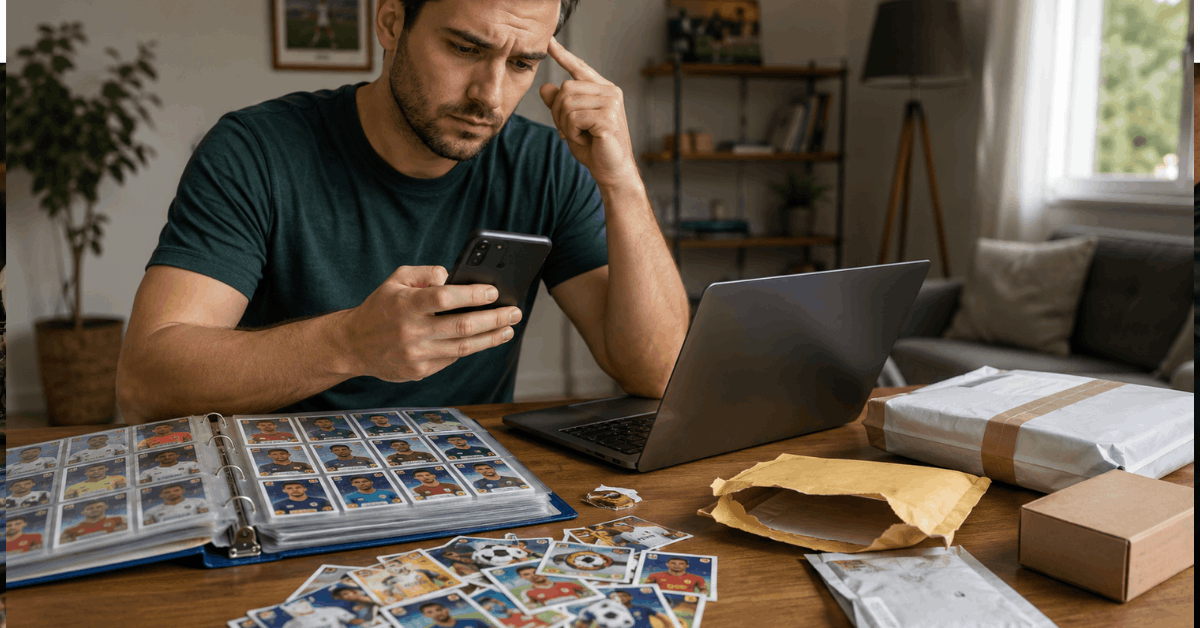
Spotting warning signs can dramatically reduce the chances of encountering problems. Even experienced traders occasionally run into suspicious situations. Some things simply feel “off”—and it’s okay to trust your instincts at times.
Unusual Urgency
If someone insists you send stickers first, or pressures you to act quickly with little explanation, take it as a warning sign. Pausing for a moment, or seeking a second opinion in a community, can help.
Refusal to Provide References
Most trustworthy traders are proud to share their feedback or completed trades. Reluctance to discuss their history, or a defensive attitude about past exchanges, might deserve some scrutiny.
Mismatched Communication
If details keep changing or responses seem inconsistent, perhaps wait or decline the trade. Sometimes, even well-meaning traders end up confused, but repeated errors may suggest something isn’t right.
Ways to Structure Safer Trades
Some collectors have developed protocols for smoother exchanges. For example, trading in “rounds” means both items are shipped on a given day. Sometimes a photo of the envelope or receipt is shared, helping to establish sincerity.
Moderated Trades
Larger platforms may offer moderation, acting as a neutral third party. This adds a layer of protection, particularly for expensive or rare stickers.
In-Person Pickups (When Possible)
Occasionally, local meetups can be arranged—at a safe public spot, like a café or library. This removes mailing risks entirely. Of course, it isn’t always feasible, especially for international trades.
Ethical Considerations in Sticker Trading
Sometimes, it’s not just about safety, but fairness too. Honest descriptions of sticker condition and keeping promises builds better community experiences. Mistakes happen, of course, and an open, supportive attitude helps maintain trust long-term.
Popular Platforms for Trading World Cup Stickers
A few sites and apps consistently draw sticker collectors. Some require sign-up, while others run on larger social media platforms. Familiar tools include:
- LastSticker – A large community with swap lists and feedback.
- Reddit’s “Sticker Swap” threads – Useful for finding quick trades.
- Specialized Facebook Groups – Many regions and languages are represented.
- Local forums hosted by sports collectors clubs.
Whichever platform you use, reading community guidelines can prevent misunderstandings later.
FAQs About Trading World Cup Stickers Online
This section briefly addresses common questions, ensuring even newcomers feel more confident exploring online sticker swaps.
Is it safe to share my address?
It’s always a risk, but limiting other personal information reduces exposure. Using a work address or PO box, when available, brings some extra privacy.
Can mailing stickers get lost?
Mail issues aren’t common, but they do occur. Trading higher-value stickers with tracking or insurance is one way to minimize the risk of loss.
Are there legal concerns?
Trading stickers generally falls under personal exchange, but selling in large quantities may require you to declare income or follow local laws. If in doubt, seeking local guidance can clarify things.
Final Thoughts
Online World Cup sticker trading can make it easier to find missing stickers and complete an album faster. The best trades usually happen through trusted platforms, clear communication, and honest details about sticker condition.
Collectors should stay cautious with personal information, shipping methods, and traders who show pressure or inconsistent behavior. With safe habits and respectful exchanges, online sticker trading can remain useful, enjoyable, and community-driven.