DPD owner-driver adverts list routes at £50,000 to £60,000 a year. That number is gross revenue, not take-home pay. After van costs, fuel, insurance, and tax, Glassdoor data from mid-2026 puts the typical net between £31,000 and £42,000.
That gap between the advertised figure and the actual deposit in your bank account is the single most useful thing to know about DPD jobs before you apply for anything.
This article is for the career-switcher sitting on a job board right now, comparing DPD roles to warehouse gigs at Amazon or Evri, and trying to figure out which path pays properly and which one quietly eats its own salary in expenses.
How Much Do DPD Drivers Get Paid in 2026?
DPD runs three separate driver models, and each one pays differently. Mixing them up is the fastest way to misjudge what you will earn.
Employed Driver Pay
Employed drivers earn a salary around £24,000 per year. DPD provides the van, covers fuel through a fuel card, and handles insurance. Holiday pay, sick pay, and pension contributions come standard.
Breakroom's 2026 data shows employed driver hourly rates between £10.89 and £15.63. The range depends on depot location and shift pattern.
Owner-Driver Franchise Earnings
Owner drivers are self-employed. The franchise deposit runs £1,400 to £2,400, and there is a separate fee of about £300 to £400. Those numbers sound low. The van is where real money goes.
Annual operating costs sit between £18,000 and £28,800 once you add vehicle lease or purchase payments, fuel at £120 to £200 per week, insurance at £150 to £250 per month, and maintenance.
I would pick the employed driver role over the franchise for anyone who has never run a self-employed operation, because the £24,000 employed salary with zero overhead beats £35,000 net after managing a small business you did not plan for.
DPD Connect: The Flexible Option
DPD Connect drivers use their own car or small van and earn £10.83 to £18 per hour. No franchise fee, no capital requirement. You do need hire-and-reward insurance for commercial delivery, which costs more than personal cover.
DPD Warehouse Operative Jobs and Shift Rates
DPD warehouse operatives earn £12.15 to £14.94 per hour according to Breakroom's 2026 figures. Day shifts start at the national minimum wage floor of £12.71 per hour. Night shifts pay £14.93 to £15.43 per hour.
That night premium is a 17% to 21% bump over daytime rates. On a full-time night schedule, you could clear roughly £29,000 to £31,000 annually before overtime.
What the Warehouse Work Looks Like
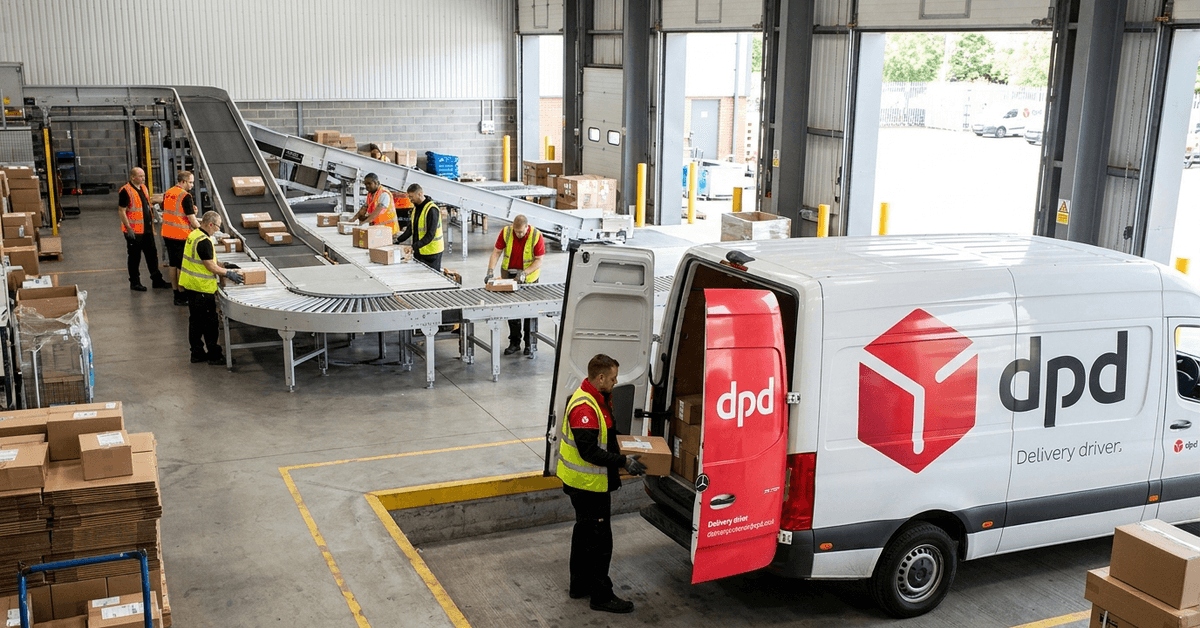
The job involves loading, unloading, scanning parcels, and monitoring conveyor systems. You stand for most of the shift. Peak periods like November and December add overtime hours and sometimes attendance bonuses.
Glassdoor reviews from mid-2026 describe the pace as fast. One recurring complaint across Indeed reviews: management quality varies sharply between depots. Some teams get supportive shift leads. Others do not.
Warehouse to Shift Manager Pipeline
Shift managers at DPD earn £29,200 to £39,400 per year according to Breakroom. That jump from £12.71 an hour to a £35,000 salary is realistic within 12 to 18 months for operatives who pick up extra responsibilities.
I think the warehouse-to-management track at DPD is a better long-term bet than the owner-driver franchise, because the shift manager salary comes without the £18,000+ in annual operating costs that eat into franchise revenue.
Owner-Driver Franchise vs Employed: Which DPD Role Pays More After Costs?
The comparison gets clearer in a table. All figures are annual and based on 2026 reported data:
| Category | Employed Driver | Owner-Driver Franchise | Warehouse Operative (Nights) |
|---|---|---|---|
| Gross pay | £24,000 | £50,000 to £60,000 | ~£29,000 to £31,000 |
| Vehicle costs | £0 (DPD provides) | £8,000 to £14,000 | £0 |
| Fuel costs | £0 (fuel card) | £6,200 to £10,400 | £0 |
| Insurance | £0 | £1,800 to £3,000 | £0 |
| Estimated net | £24,000 + benefits | £31,000 to £42,000 | ~£29,000 to £31,000 + benefits |
| Holiday/sick pay | Yes | No | Yes |
| Pension | Yes | No | Yes |
The owner-driver net looks higher. But add back the value of paid holidays (roughly £2,200 for 25 days), employer pension contributions, and sick pay protection, and the employed driver's total compensation package closes that gap fast.
How to Apply for DPD Jobs
Applications go through the DPD Group Careers Portal. Listings update frequently, and the heaviest hiring wave hits between September and November ahead of the Christmas peak.
The process typically involves an online form, an interview, and sometimes a role-specific assessment. Drivers need a full UK licence held for at least 12 months with no more than six penalty points. A DBS check is standard.
Warehouse roles have no formal education requirement. You need to pass a basic fitness-for-role assessment and show you can handle the physical demands. DPD runs its own onboarding and safety training.
Common Application Mistakes
People apply for the wrong driver category. An owner-driver application is a franchise agreement. An employed driver application is a standard job. Confusing the two lands you in a self-employment contract you may not be ready for.
Also check your depot. DPD has around 209 open positions across the UK as of late 2026, but the specific role and shift pattern depend entirely on which sorting centre or delivery hub is hiring near you.
Tax and Legal Details for DPD Owner Drivers
Owner drivers file taxes as self-employed. That means Self Assessment, Class 2 and Class 4 National Insurance, and quarterly VAT registration if your turnover exceeds the threshold. You carry your own public liability insurance and maintain business records.
Employed drivers and warehouse operatives have PAYE taxes handled by DPD. No self-assessment, no chasing receipts for fuel deductions.
This distinction matters more than the pay difference for some people. Running a one-person delivery business means bookkeeping, vehicle MOTs on your schedule, and no employer to fall back on if your van breaks down on a Tuesday morning.
Questions People Ask About DPD Jobs
These are the searches that keep coming up around DPD careers, with answers that fill in what the job listings leave out.
- Q: Can you really earn £60,000 as a DPD driver?
Gross revenue of £60,000 is possible on a busy owner-driver route working five to six days per week. After operating costs, the realistic take-home sits between £35,000 and £45,000. DPD's own franchise portal does not publish an earnings figure, so treat advertised numbers as recruitment estimates. - Q: Do DPD warehouse jobs pay more at night?
Night shifts at DPD pay £14.93 to £15.43 per hour compared to £12.71 for day shifts. That premium adds up to roughly £4,000 to £6,000 extra per year on a full-time schedule. Enhanced overtime rates during peak season push it higher. - Q: What is the difference between a DPD owner driver and an employed driver?
Owner drivers are self-employed franchisees who supply their own van and cover all operating costs. Employed drivers use a DPD vehicle, receive a fixed salary around £24,000, and get holiday pay, sick pay, and pension contributions. The franchise earns more gross but carries more risk. - Q: How fast can you move up at DPD?
Warehouse operatives can reach shift manager roles within 12 to 18 months at active depots. Drivers sometimes move into route management or training positions. Internal promotions are common because DPD prefers to develop existing staff over external hires. - Q: Do you need experience to work at a DPD warehouse?
No prior logistics experience is required. DPD provides onboarding training, safety briefings, and equipment familiarisation. Physical fitness and reliability matter more than a CV full of warehouse history.
Conclusion
The owner-driver headline salary at DPD looks impressive until you subtract the costs of running your own van. Employed roles and night warehouse shifts offer steadier income with far less financial risk attached.
DPD has enough role variety that the right fit depends on whether you want a business or a job. Check your local depot's current listings and run the numbers for your own situation before signing anything.