A part-time listing at Kansai Super caught your eye. And now you're scrolling through vague job portals wondering if a supermarket in Osaka would even hire someone still learning Japanese.
That hesitation is common. Kansai Super jobs pop up constantly on TownWork and Indeed Japan, but the listings rarely explain what working there feels like day to day.
This breakdown covers the real roles, the requirements that matter, and the parts of the application process that trip people up. Everything comes from what Kansai Super stores post and how they hire across the Kansai region.
Knowing which position fits your schedule, your language level, and your visa status can save weeks of wasted applications. So let's get specific.
What Types of Kansai Super Jobs Are Open Right Now?
Kansai Super runs both full-time and part-time positions across its stores, and the types of jobs available tend to stay consistent even as individual locations rotate openings.

The split between customer-facing and back-of-house work matters more than people realize, especially for applicants whose Japanese is still developing.
Cashier and Checkout Positions
Cashier roles at Kansai Super involve handling payments, answering basic customer questions, and sometimes guiding shoppers through self-checkout machines.
Some stores rotate staff between regular registers and self-checkout stations depending on traffic.
This is the most language-heavy entry-level position, since quick exchanges with customers happen constantly.
Stocking and Inventory Crew
Stocking jobs mean moving products from backrooms to shelves, organizing displays, and keeping sections full during operating hours. The work is physical. Lifting is involved.
But for anyone who prefers staying busy without constant customer interaction, this role tends to be a better fit.
I think stocking roles at Kansai Super are underrated for foreign applicants because the job is primarily physical rather than conversational, which reduces the Japanese fluency barrier significantly.
Food Preparation and Deli Staff
Bento assembly, salad packing, and side dish cooking happen in the back kitchen areas of Kansai Super stores. Shifts for food prep often start early in the morning, sometimes before the store opens.
The role suits people who like hands-on work and don't mind early alarms. Limited customer contact makes this another solid option for applicants still building their Japanese.
Cleaning and Maintenance
Keeping aisles clean, maintaining food prep hygiene standards, and handling routine maintenance tasks fall under this category. The work is steady and predictable.
Schedules for cleaning staff tend to be the most flexible across all Kansai Super positions.
Supervisor and Section Chief Roles
Larger Kansai Super locations hire for supervisor or section chief positions that require more experience, stronger Japanese, and consistent full-time availability.
These roles involve scheduling other staff, handling problems during rush hours, and overseeing specific departments. They're typically filled internally by part-timers who've moved up.
Kansai Super Job Requirements: Age, Language, and Visa Rules
The hiring bar at Kansai Super sits lower than at many Japanese retailers. But "low bar" doesn't mean "no bar," and a few requirements catch applicants off guard.
Age and Education Minimums
Applicants need to be at least 16 years old for most positions. Roles involving alcohol or certain food handling may require applicants to be 18 or older.
A high school diploma or equivalent is expected for full-time roles, though part-time positions often skip formal education requirements entirely.
Japanese Language Level for Each Role
Basic Japanese communication ability is needed for customer-facing jobs.
Stocking, cleaning, and food prep roles require less spoken Japanese, but reading hiragana and katakana still helps for product labels and internal notices. Management positions demand conversational fluency at minimum.
Every article about supermarket jobs in Japan repeats the same line: "learn Japanese first, then apply."
I disagree with that approach for Kansai Super stocking and food prep roles, because the raw job listings show that some stores accept foreign applicants as long as communication meets their standards, and back-of-house positions have limited verbal interaction.
Work Visa and Student Permit Requirements
Foreign workers need valid work authorization. Students on a student visa must obtain a permit for part-time work (資格外活動許可) before starting any paid position.
Kansai Super's onboarding process typically asks for identity documents and proof of eligibility. Skipping this step, or assuming the store will handle it, is one of the fastest ways to lose a job offer.
Tax compliance matters here too. Earnings above certain thresholds trigger automatic tax withholding in Japan, and year-end paperwork can feel overwhelming for first-time foreign workers.
Asking the store's payroll officer about tax forms during onboarding is common and expected.
How the Kansai Super Hiring Process Works Step by Step
The application process at Kansai Super follows a fairly standard pattern for Japanese retail, but a few details separate successful applicants from the ones who never hear back.
Finding Open Positions
Kansai Super jobs get posted on the Kansai Super official recruitment page, on TownWork, and on Indeed Japan.
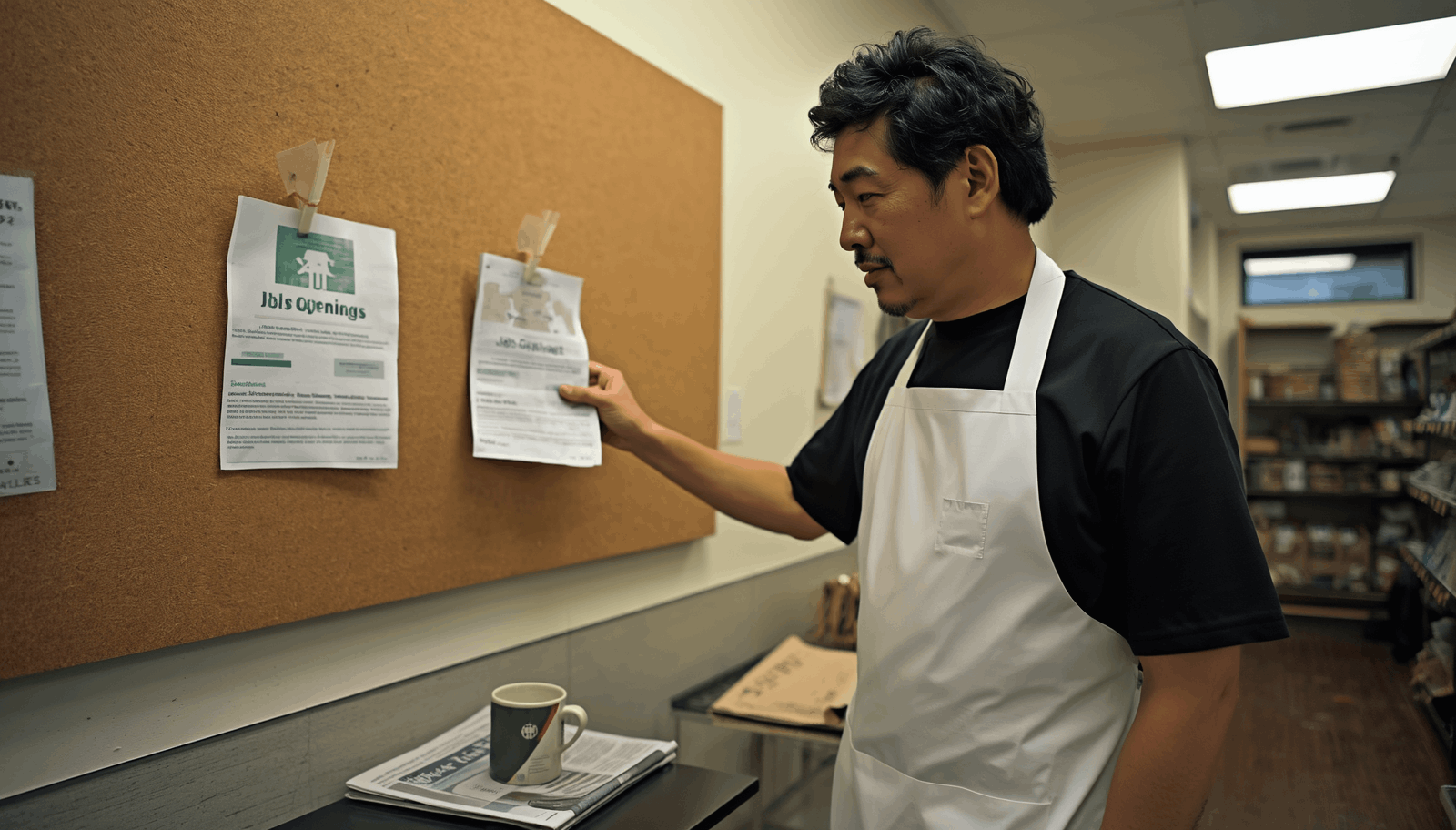
Some openings only appear as printed notices taped to store windows or entrance bulletin boards. Checking the nearest physical location can surface jobs that never make it online.
Preparing a Japanese Resume (Rirekisho)
The rirekisho is the standard Japanese resume format. Handwritten versions have traditionally been preferred, though typed rirekisho are becoming more accepted in 2026. A few things to list clearly:
- Any prior retail or food service work, even if brief
- Available working hours and preferred days
- Japanese language proficiency level (JLPT score if applicable)
- Motivation for applying to that specific store location
Leaving the motivation section blank or writing something generic is a common mistake. Mentioning the specific branch and why the location works for your schedule reads much better to a hiring manager.
Submitting and Following Up
Applications can go directly to a store manager in person, be mailed by post, or be uploaded through Kansai Super's online job portal. Being polite and punctual during an in-person drop-off already sets a tone. Store's notice.
If shortlisted, expect a phone call or email. Interviews are usually casual and one-on-one, with questions about scheduling flexibility, motivation, and any prior work experience.
Some locations run small group orientations instead of individual interviews.
Trial Days and Onboarding
Stores sometimes offer a trial day where new hires shadow existing staff for a few hours. This is a two-way test.
The store evaluates fit, and the applicant gets to see if the pace and environment work for them. Saying no after a trial day carries zero stigma.
Kansai Super Employee Benefits and Daily Work Life
Benefits at Kansai Super lean practical rather than flashy. The package typically includes transportation allowances, staff discounts on store products, and for regular contracted employees, health insurance coverage and paid leave.
| Feature | Part-Time Staff | Full-Time Staff |
|---|---|---|
| Transportation Allowance | Often included | Included |
| Staff Discount | Available | Available |
| Health Insurance | Depends on hours worked | Included |
| Paid Leave | Limited or none | Included |
| Internal Training | On-the-job basics | Structured programs |
Full-time staff get a more complete benefits package, but part-timers working above a certain weekly hour threshold may qualify for partial health insurance coverage.
Schedules are usually set weekly. Shift patterns can change based on school terms, holidays, and store events.
Peak hours feel fast. Off-peak stretches are slower and give newer staff time to learn product placement, interact with regulars, and pick up tasks they haven't tried.
Moving Up at Kansai Super
Career progression exists for staff who want it. Some employees start as part-timers and eventually move into full-time roles or become floor chiefs. Internal training can cover areas like merchandise management and basic shop accounting.
Advancement depends on timing, performance, and consistent availability. Nobody gets promoted on seniority alone.
Mistakes That Cost Applicants a Kansai Super Job
A few errors show up repeatedly among applicants, and they're all avoidable.
According to the Japan Ministry of Health, Labour and Welfare's part-time worker guidelines, understanding labor rights before starting any part-time role protects both the worker and the employer.
Watch out for these common traps:
- Applying through unofficial third-party recruitment sites instead of Kansai Super's own portal or recognized platforms like TownWork and Indeed Japan
- Paying any fee to submit a job application (legitimate roles at Kansai Super never require payment)
- Submitting a rirekisho with errors, blank sections, or inconsistent formatting
- Failing to get the part-time work permit before interviewing, which can disqualify student visa holders immediately
Double-checking forms and using official channels sounds basic. But these small details decide whether an application gets read or recycled.
Questions People Ask About Kansai Super Jobs
Q: Can foreigners work at Kansai Super without perfect Japanese? Some Kansai Super stores accept foreign applicants for back-of-house roles like stocking and food prep where spoken Japanese requirements are lower. Customer-facing positions like cashier still need conversational ability. Check with the specific store branch about their language expectations.
Q: How old do I need to be to work at Kansai Super? The minimum age for most Kansai Super positions is 16. Roles involving alcohol sales or specific food handling tasks may require applicants to be at least 18. Age requirements can differ slightly between store locations.
Q: Does Kansai Super offer part-time hours for students? Part-time scheduling is one of the most common arrangements at Kansai Super stores. Shifts can be adjusted around school terms and exam periods. Student visa holders need a separate work permit before starting, so apply for that permit early.
Q: Is it possible to get promoted from part-time to full-time at Kansai Super? Some part-time staff do transition to full-time employment or section chief roles over time. Advancement depends on performance, consistent availability, and store-level demand. Internal training programs cover skills like merchandise management and basic accounting.
Q: Are Kansai Super job listings posted online or only in stores? Both. Kansai Super posts openings on its official website, TownWork, and Indeed Japan. But some positions only appear as physical notices at store entrances, so visiting your nearest branch can reveal jobs that never get listed digitally.
Conclusion
Kansai Super jobs offer a realistic entry point for part-time and full-time work in Japan's retail sector. The hiring process rewards preparation, punctuality, and knowing which role matches your situation.
Foreign applicants who focus on back-of-house positions can land a role faster than they expect. Start checking your nearest Kansai Super branch and the official site for current 2026 openings.