Many people look for side hustles to supplement their income or find more flexibility in their schedules. For those in the US, grocery delivery services have grown in popularity—both for shoppers craving convenience and for drivers seeking extra cash.
Walmart Spark Driver stands out as a prominent player in the gig economy, providing on-demand grocery deliveries across numerous cities and towns.
This article uncovers how the program really works, who it's best suited for, its earning potential, and what you might want to keep in mind before signing up.
What Is the Walmart Spark Driver Program?
The Walmart Spark Driver program is a network of independent contractors who deliver groceries and everyday essentials to Walmart customers.
Drivers use their own vehicles—be it a car, truck, or sometimes even a large SUV. It's similar in some ways to well-known platforms like DoorDash or Instacart, but focused mainly on Walmart's customer base.
The platform runs through the Spark Driver mobile app, letting drivers accept delivery offers based on their location, availability, and vehicle.
This option appeals to a range of people: maybe someone between jobs, students managing class schedules, or folks preferring gig work for its flexibility.
It's not always about a full-time career—sometimes it's just about having an extra way to earn money, even for just a few hours each week.
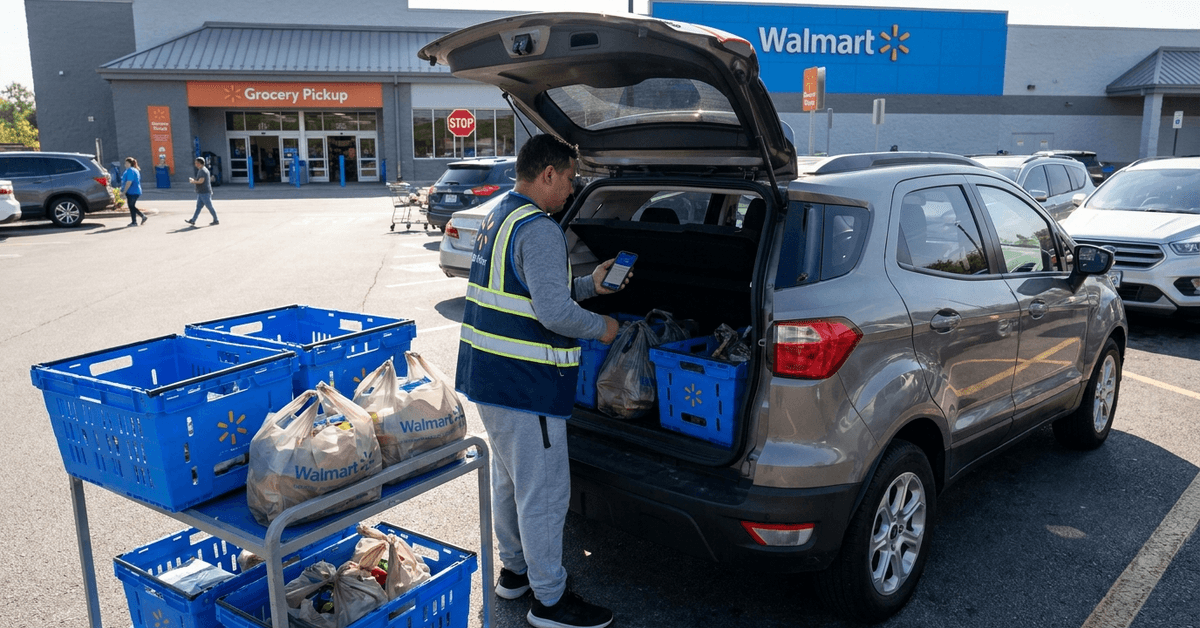
How Does the Spark Driver App Work?
Once approved, Spark Drivers can log into the app and start receiving delivery offers. Each offer includes an estimated payout, trip distance, pickup location (typically a Walmart store), and the number of items to deliver.
Drivers can review these details before choosing to accept or pass on the order. There's no penalty for declining offers—something experienced drivers tend to appreciate, especially when balancing the best use of their time.
After accepting, the app guides drivers through the process: heading to the store, checking in with employees, picking up the merchandise, and delivering it to the customer's location (usually a home, but occasionally a business or hotel).
Potential Earnings as a Walmart Spark Driver
Earnings can vary quite a bit. Factors include location, day of the week, order volume, and special incentives. According to some sources, average per-trip payouts can range from $10 to $20, often with higher rates during peak times or for longer distances.
The company sometimes offers bonuses for completing a certain number of deliveries within a set period.
Payout Structure and Tips
Payment for each trip typically covers a base delivery fee—plus customer tips, if given. Some drivers see the tip amount in advance, though it might be adjusted later based on customer feedback or changes to the delivery route.
Many agree that maximizing earnings often comes down to strategic timing and location, as higher demand can lead to better offers. Still, even with that in mind, tips and bonuses are never 100% predictable.
Expenses to Consider
Being an independent contractor means drivers cover their own fuel, maintenance, insurance, and potential wear-and-tear on their vehicles.
It’s wise to factor these expenses against earnings, since they affect take-home pay. Some track mileage for tax deductions, although everyone’s approach is a bit different.
Requirements and Application Process
The basic requirements are pretty straightforward. Applicants must be at least 18 years old, have a valid driver’s license, auto insurance, and access to a suitable vehicle. Background checks are standard, which may take a few days to complete.
Experience with similar gig economy apps helps, but isn’t necessary. Sometimes, applicants mention the wait for approval could be a bit long in busy regions.
What to Expect After Approval
After passing the background check, new drivers can start accepting deliveries nearly right away. Some regions may offer onboarding materials or video guides.
At first, drivers often pace themselves—learning which orders are worth accepting and finding the best local routes. In busy areas, it can be competitive—sometimes requiring patience for the most profitable trips to appear.
Top Benefits of Being a Spark Driver
Many value the flexibility. There’s no set schedule, so it’s possible to deliver just mornings, evenings, weekends, or sporadically—fitting the role into one’s life, rather than the other way around.
Another benefit that drivers talk about is immediate payment through partnered apps, so there’s typically not a long wait for paydays.
Flexible Schedule, Real-World Experience
With Spark, it’s possible to make gig driving fit nearly any lifestyle. Some prefer to use it as a weekend supplement to a primary job, while others may deliver for several services at once.
There’s also firsthand exposure to time management, navigation, and customer service skills—transferable abilities for many other fields.
Low Barrier to Entry
Unlike certain work-from-home gigs that require a significant upfront investment, Spark only requires a vehicle and basic documentation. There’s no need for special training, certifications, or equipment purchases. For individuals looking to start earning quickly, this can make a big difference.
Challenges and Considerations
Of course, gig work isn’t without unpredictabilities. Order volume may fluctuate by season, area, or even day. There can be stretches where few (or no) orders are available.
Some drivers find themselves waiting in their vehicles between offers—unsure whether it’s smarter to move to a busier zip code or just wait it out. The lack of guaranteed earnings or benefits means risk is always present.
Customer Service and Delivery Complexities
While most trips are straightforward, there’s the occasional hiccup: missing items, hard-to-find addresses, or customers who may not answer the door promptly. Sometimes, these minor hassles stack up.
On the plus side, many customers are appreciative—yet every driver has stories of unusual requests or frustrating waits. It’s part and parcel of gig work, for better or worse.
Weather and Physical Demands
Delivering groceries isn’t always easy, especially in bad weather or during busy times. Lugging heavy bags, navigating large apartment complexes, or climbing stairs can be physically demanding.
Preparation, comfortable attire, and a bit of patience often help. Not every day is simple—yet that also means not every day is the same.
How Spark Driver Compares to Other Delivery Gigs?
Walmart Spark Driver competes closely with similar delivery apps—like Uber Eats, DoorDash, and Instacart. The main distinction lies in the focus on grocery deliveries, sometimes in bulk or requiring more effort per drop-off than, say, restaurant meals.
For those who enjoy a predictable pickup experience (typically from one familiar location), Spark tends to offer that consistency.
However, drivers looking for a wider range of merchant partners, or more urban diversity, sometimes supplement Spark with other gig apps.
Earning Potential by Platform
Comparing platforms isn’t always apples to apples. Some drivers report better averages on Spark, particularly in suburban or small-town areas less saturated by competitors.
Others prefer the high-frequency, lower-payout model of restaurant-focused services. There isn’t one clear winner; the best mix depends on local demand patterns and personal preference.
Frequently Asked Questions About Walmart Spark Driver
Questions often arise about driver ratings, minimum orders, and ongoing requirements. For instance, while the program tracks reliability and customer feedback, there isn’t a formalized rating system visible to the public—unlike Uber’s star ratings.
Drivers also ask about tax documentation; Spark typically provides year-end summaries of earnings, but each person’s tax situation will vary.
- How often are drivers paid? Spark partners with payment processors for weekly direct deposit, though some instant payout features may be available.
- Can anyone sign up? As long as the applicant passes the background check, has the required documents, and Spark operates in their area, most people can join.
- What about insurance? Drivers need standard auto insurance; it’s also smart to check if their policy covers delivery gigs. Requirements may vary by state.
Legal and Tax Factors to Keep in Mind
As with other gig economy jobs, Spark drivers are independent contractors, not employees. That means no employer benefits, and drivers take responsibility for estimated quarterly taxes, deductions, and record-keeping.
Some find this daunting, but it’s manageable with some organization and perhaps advice from a tax professional. For more details, the IRS has a dedicated resource on gig work and taxes (irs.gov/businesses/gig-economy-tax-center).
Final Thoughts on Walmart Spark Driver
Walmart Spark Driver can be a practical side hustle for people who want flexible work and extra income through grocery delivery. The app-based system makes it easy to accept offers, manage trips, and work around your own schedule.
Since earnings, tips, expenses, and order volume can vary by location, tracking costs and choosing deliveries carefully is important.
With good time management, safe driving habits, and realistic expectations, Spark can offer a flexible way to earn in the gig economy.