Finding rare World Cup stickers can be a thrill for collectors and investors. Whether starting out or refining a seasoned collection, understanding how to evaluate sticker lots greatly increases chances of landing hidden gems.
This guide unpacks practical strategies to help collectors avoid overpaying or missing valuable stickers while browsing listings online or in person. It’s designed for anyone hoping to level up collection quality and stay secure within the marketplace.
Understanding the Market for Rare World Cup Stickers
The market for World Cup stickers is constantly changing. Some years, a sticker might seem common, but a decade later, it’s suddenly in demand—perhaps because a player’s reputation has grown.
If you’re evaluating lots, it helps to have a sense of which releases or years are more sought after. For instance, original Panini releases from the 1970s and 1980s frequently bring interest.
Why Some Stickers Are So Valuable
Not every sticker is coveted equally. Rarity, player popularity, print errors, and first-edition runs are all factors making certain issues stand out.
While sometimes a star player’s rookie sticker is what everyone wants, in other cases, it might be a misprinted or region-specific sticker. The value isn’t set in stone—it sometimes shifts with trends or news cycles.
Key Sets and Release Years
Panini’s 1970 Mexico set has become legendary for its scarcity, while modern sets have their standouts too—think about Lionel Messi’s or Cristiano Ronaldo’s early tournament stickers.
Checklists and collector forums can help pinpoint which years are especially loaded with rare finds. This isn’t an exact science; a bit of research goes a long way toward informed decision-making.
How to Analyze Bulk Lots for Hidden Rare Stickers?
Purchasing bulk lots can feel like a gamble. Sometimes, large lots hide treasures among more common items. A careful, methodical approach reveals much about a lot’s real worth.
Assess Seller Reputation and Lot Description
Before even considering a lot, it helps to review the seller’s track record. Honest sellers usually note if rare stickers are included or if lots are ‘unsorted.’
A bit of vagueness isn’t always bad, but clear, detailed descriptions tend to present less risk. If a listing suggests “mixed years” or “from old albums,” there might be some overlooked gems, but it’s rarely guaranteed.
Evaluate Photo Quality and Sticker Visibility
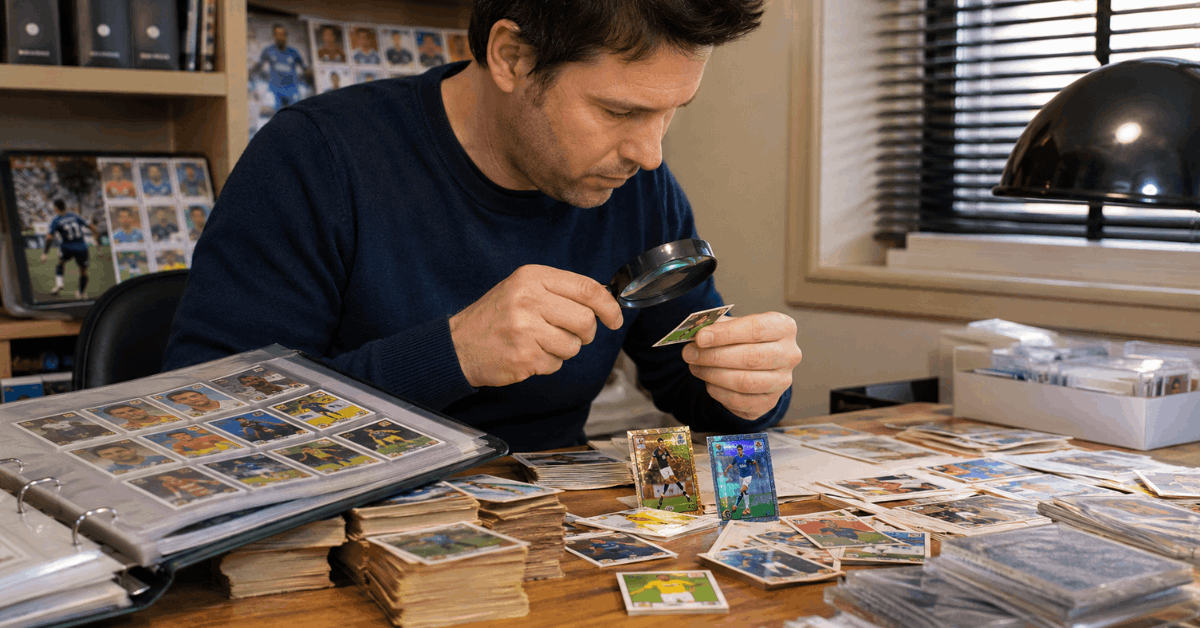
Photos reveal more than most realize. Listings with high-quality, close-up photos showing individual stickers (or at least easily readable groupings) are preferable. Try spotting unique borders, colors, or player images—tiny cues can signal rarity.
Occasionally, sellers photograph lots haphazardly, making it harder to judge. In these cases, a request for additional photos (if the seller is responsive) may help.
Look for Telltale Signs of Rarity
Certain rare stickers have distinguishable backgrounds, numbering, or font differences, especially in older sets.
A familiar example is a sticker with a number out of sequence compared to others visible in the lot photo. Another is gold-tone or regional variants, such as Coca-Cola-branded or prize-only releases.
Common Pitfalls When Searching for Rare Stickers
It’s easy to get swept up in the hope of striking gold—sometimes the hunt itself is half the fun. But experienced collectors know a few recurring traps that cause disappointment or loss.
Beware of Predictable Sticker Patterns
Bargain lots filled with hundreds of stickers from a single recent tournament aren’t likely to hide high-value items. Sellers tend to sort these out beforehand.
Seasonal surges also affect availability—after a World Cup, an influx of stickers usually floods the market, but few are truly rare.
Condition Matters
Even a rare sticker loses value if heavily creased, torn, or altered with adhesive. Inspect the descriptions for comments like “lightly used” or “album removed”—these terms may mask serious flaws.
Sometimes, old stickers have yellowed edges or unusual wear patterns. Personal taste plays a part: some might value a pristine find more highly than a sticker with history.
Misleading Language and Overpromises
Some sellers use terms like “vintage” or “rare” quite loosely. If every lot seems packed with “rare finds,” take a closer look. Sometimes these are just older or foreign edition stickers, not true valuables. A bit of caution saves headaches later on.
Best Practices for Researching and Verifying Rarity
There’s a definite learning curve to developing a sharp collector’s eye—one that doesn’t rely on luck alone. Research is more than searching for high sales on auction sites.

Consult Collector Forums and Databases
Online communities, such as specialized sticker forums or Reddit threads, offer up-to-date guidance on changing values and market trends.
Catalogs published by collector associations can be helpful too. Sometimes, it’s as much about learning what’s not rare as what is.
Price History and Authentic Sales Data
Browsing completed listings on large auction sites like eBay provides a range of price points for similar stickers.
Note, though, that sales can fluctuate based on season, world events, or nostalgia. Just because a sticker claims a ‘high sale’ last year doesn’t guarantee demand today.
Understanding Regional Issues and Errors
Certain regions receive alternate sticker versions or packaging, making them rarer on the global market. Likewise, stickers with print errors—like missing info or unusual color tones—are exceptionally collectible in some circles.
This isn’t always obvious from photos, but community wisdom can help confirm whether an item’s unique feature is genuine.
Favorite Sources for Finding Valuable Lots
Not every source is equal when it comes to searching for World Cup sticker lots containing rare stickers. Some options prove safer or more promising than others, depending on your preferred level of risk and effort.
Trusted Online Marketplaces
Platforms like eBay, Tradera, Delcampe, or Catawiki have established buyer protection and large user bases. While competition is high, the sheer volume of listings makes it possible to spot overlooked treasures—if you have patience.
Local Collector Events and Swap Meets
Sometimes, you just need to see the stickers in person. Local events allow hands-on inspection, and some collectors bring unsorted lots hoping for quick sales. It can feel hit or miss, but there’s always a chance for direct negotiation.
Collector Groups and Social Media
Facebook groups or WhatsApp collections let you build relationships directly with other fans. Trust grows over time, and members occasionally list “clear-out” lots that haven’t been combed for rare items. While this isn’t foolproof, sometimes surprises surface where you least expect them.
Tips for Risk Minimization and Sustainable Collecting
Chasing rare stickers can get expensive—and sometimes disappointing. To keep collecting fun and responsible, consider a few guidelines. These aren’t strict rules, just perspectives that might help.
- Consider setting a budget and sticking with it, even if an exciting lot appears.
- Save favourite sellers or trusted sources for future purchases.
- Keep updated lists of sought-after player or tournament stickers so you don’t lose focus over time.
- Document purchases with photos or notes, which helps if you decide to resell or trade.
- Take breaks from buying during periods of high prices to avoid impulsive decisions.
Sometimes, surprises happen and a lot turns out more valuable than expected. Other times, purchases may not pay off. Experience is valuable; it shapes your approach over time.
Verifying Authenticity and Avoiding Counterfeits
Counterfeiting has become more sophisticated. Some “rare” stickers aren’t genuine, especially for highly valued years or players. While fakes are less common in mixed lots, it remains a possibility.
Spotting Signs of Counterfeit Stickers
Poor print quality, mismatched colors, or incorrect fonts can be signs of reproduction. Comparing potential purchases to scans from trusted collectors or reference guides is time well spent.
If a deal looks far too lucrative, it might involve risks. Sometimes it seems too obvious, but excitement sometimes clouds judgment.
Ask for Verification or Provenance
If a sticker seems extremely rare, it’s reasonable to request more details on its history. Reputable sellers generally won’t mind, and may even provide old purchase receipts or collector correspondence.
Sometimes getting direct answers can turn up unexplained inconsistencies, prompting a second thought.
Final Thoughts
Finding rare World Cup stickers in bulk lots can be exciting, but it requires careful research and realistic expectations.
Collectors should review seller reputation, photo quality, sticker condition, release years, and signs of regional or error variations before buying.
Since vague listings, overused “rare” claims, and counterfeit risks are common, taking time to verify details can prevent costly mistakes.
With patience, trusted sources, and organized tracking, building a valuable sticker collection can stay both strategic and enjoyable.