Dealing with type 2 diabetes or obesity can feel overwhelming. Many are curious about options for accessing medications like Mounjaro, especially when cost is a concern.
In Brazil, some essential medicines are distributed through the SUS (Unified Health System). This article unpacks how qualified individuals might access Mounjaro at no cost, who qualifies, and what to expect.
This guide is for patients, caregivers, and anyone looking to understand ways to receive innovative diabetes treatments via public health resources.
The main benefit? Potential access to a high-demand medication without facing steep out-of-pocket expenses. Read on to find answers and real-world considerations.
Why Access Free Mounjaro Through the SUS?
First, some context. Mounjaro (tirzepatide) represents a new class of drugs targeting type 2 diabetes and sometimes obesity.
It combines significant efficacy with relatively few reported side effects for many users. However, the high price can make it inaccessible privately for some Brazilians.
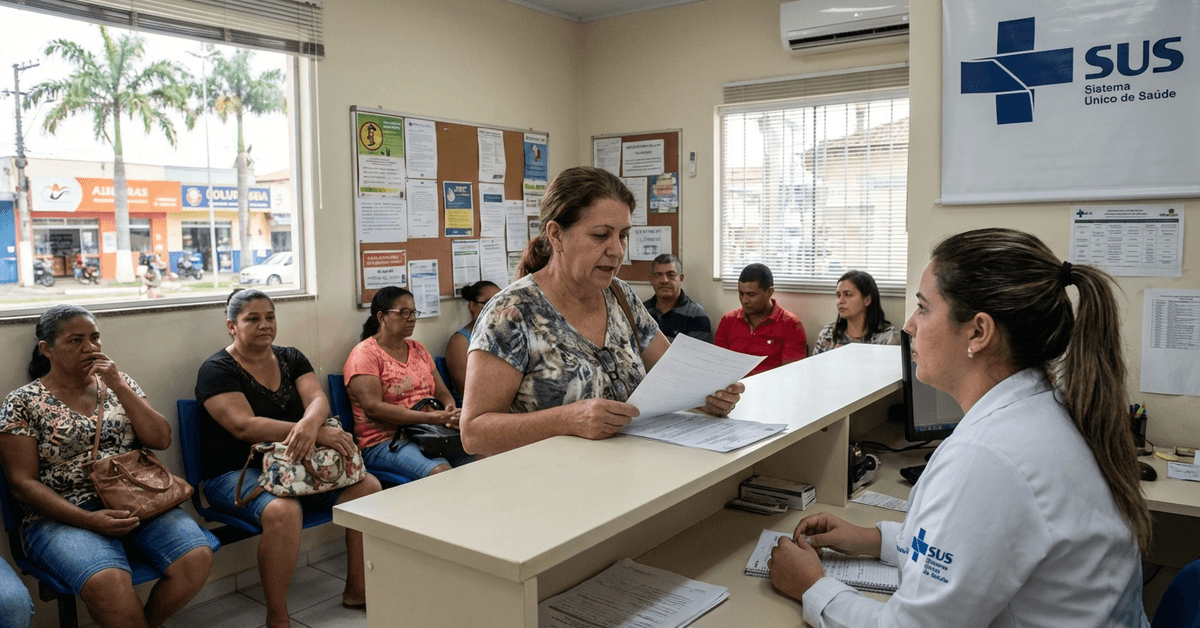
The SUS was created to make essential health care—medicines included—available to those who need it most.
For new medications, especially ones like Mounjaro, understanding the pathway through public health channels can be tricky. There is often confusion around coverage and requirements.
Is Mounjaro Available in the SUS?
You might wonder if Mounjaro is already part of the SUS formulary. As of this writing, the inclusion process is ongoing.
The public system typically covers treatments proven to be both effective and cost-efficient for the population, but some newer medications take time to be approved.
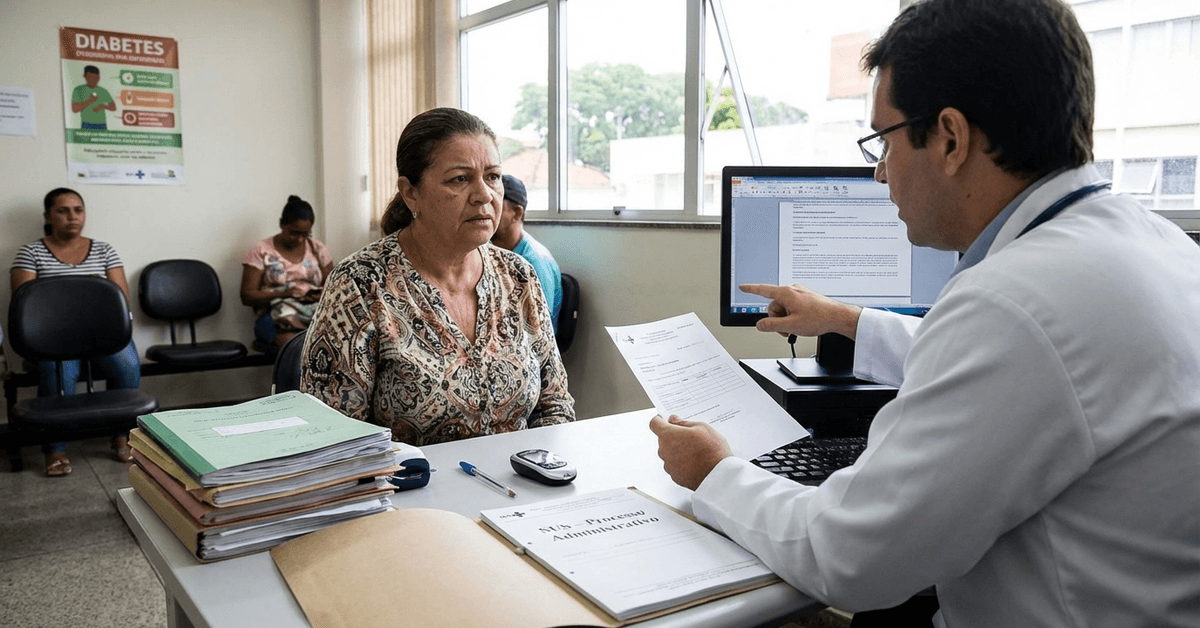
That said, some patients can access non-formulary medications—including Mounjaro—by following a strict administrative path, often referred to as "judicialization" or by special request. This isn’t a guaranteed process for everyone.
Who Is Eligible to Apply for Free Mounjaro?
Eligibility through the SUS depends on several factors: your medical indication, available alternatives, and documentation. Let’s break down the most important points.
Medical Indication
- Patients with type 2 diabetes that is not responding to traditional treatments might be considered. - Some requests may extend to those with obesity, though this use is subject to further review.
Failure of Other Therapies
- The SUS prioritizes less costly medicines first. - Typically, you’ll need documentation that first-line options—like metformin and insulin—have not given sufficient control. - Your physician should clearly explain why Mounjaro is required over alternatives.
Documentation and Assessment
- You'll likely need a detailed medical report from your endocrinologist. - Laboratory tests and a summary of all previous treatments are commonly required.
What Is the Application Process?
Accessing Mounjaro may involve time and patience. For non-formulary options, a few pathways exist.
Administrative Routes
- A formal application is submitted at your local health post or specialized center. - You may have to request a medicine not included in the SUS protocol and justify your case medically.
Judicial Requests (Legal Appeal)
- If denied administratively, some attempt access via the courts. - Legal support may be necessary, but this approach also involves waiting periods and uncertainty. - Often, more documentation and physician engagement are required for success.
Supporting Documents Typically Needed
- Medical prescription (current and clearly written)
- Comprehensive medical report explaining need
- Documentation of failed alternative therapies
- Most recent laboratory results (HbA1c, fasting glucose, kidney/liver function, etc.)
- Identification and SUS registration proof
Challenges and Considerations
Although the idea of getting Mounjaro for free is appealing, there are real-world barriers. Supply chain issues, regional differences in how requests are handled, and complex paperwork are common hurdles.
Not all regions approve requests at the same rate. Some users report months of follow-up before hearing back.
Even if a legal appeal succeeds, ongoing supply cannot always be ensured, and the process typically must be revalidated each year.
There’s also the potential for interruptions if policies or budgets change. Frustrating? Maybe. But for many, even a chance at access feels worth pursuing.
Tips for Improving Your Chances
- Work closely with your medical team—consistent documentation really matters.
- Stay organized: keep a folder with all exams, prescriptions, and previous denial notices.
- Follow up with the local health authority regularly for status updates.
- If possible, consult with a patient association or advocacy group experienced in the legal route.
Alternative Medications You Might Consider
Since Mounjaro access is uncertain, it helps to remember that several alternatives are typically available through the SUS.
Glucose-Lowering Medications
- Metformin, sulfonylureas, and insulin are standard. - GLP-1 analogs like liraglutide (Victoza) are sometimes covered for specific high-risk patients.
Non-Medication Support
- The SUS also provides diabetes education, nutritional counseling, and follow-ups at specialized clinics—a valuable (if sometimes inconsistent) resource.
Frequently Asked Questions About Mounjaro and the SUS
Is Mounjaro Available for Weight Loss Alone?
Officially, use for obesity outside of type 2 diabetes remains under review by health authorities. Off-label requests can be made, but approval odds are lower.
How Long Does the Application Process Take?
This can be unpredictable—anywhere from a few weeks to several months. Complex cases or regions with limited resources may experience longer delays.
Will I Need a Lawyer?
Not always, but those pursuing judicial pathways frequently seek legal support. Social assistance centers (Defensoria Pública) sometimes help, depending on your locality.
Conclusion
Accessing Mounjaro through the SUS can be possible, but the process often requires patience, strong documentation, and medical support.
Eligibility usually depends on diagnosis, treatment history, and whether lower-cost alternatives have already been tried.
Even when approval is pursued through administrative or legal channels, outcomes may vary by region and case details. For many patients, staying informed and organized can make the process more manageable.