Packing jobs in Japan have attracted significant attention from job seekers seeking stable income and straightforward roles.
If you're looking for entry-level work in the Japanese logistics or manufacturing sectors, this guide will help.
Here, you’ll learn about available opportunities, requirements, and the application process. Modern packaging work is ideal for those who value reliable hours and fast hiring cycles.
Why Packing Jobs in Japan Remain Popular
Japan’s extensive logistics and export sectors generate a high and consistent demand for packing roles. Warehouses, factories, and e-commerce fulfillment centers depend on packaging staff.
Packing positions provide workers with competitive hourly rates and practical experience. Since shifts often follow fixed schedules, many find this work suitable for balancing other commitments.
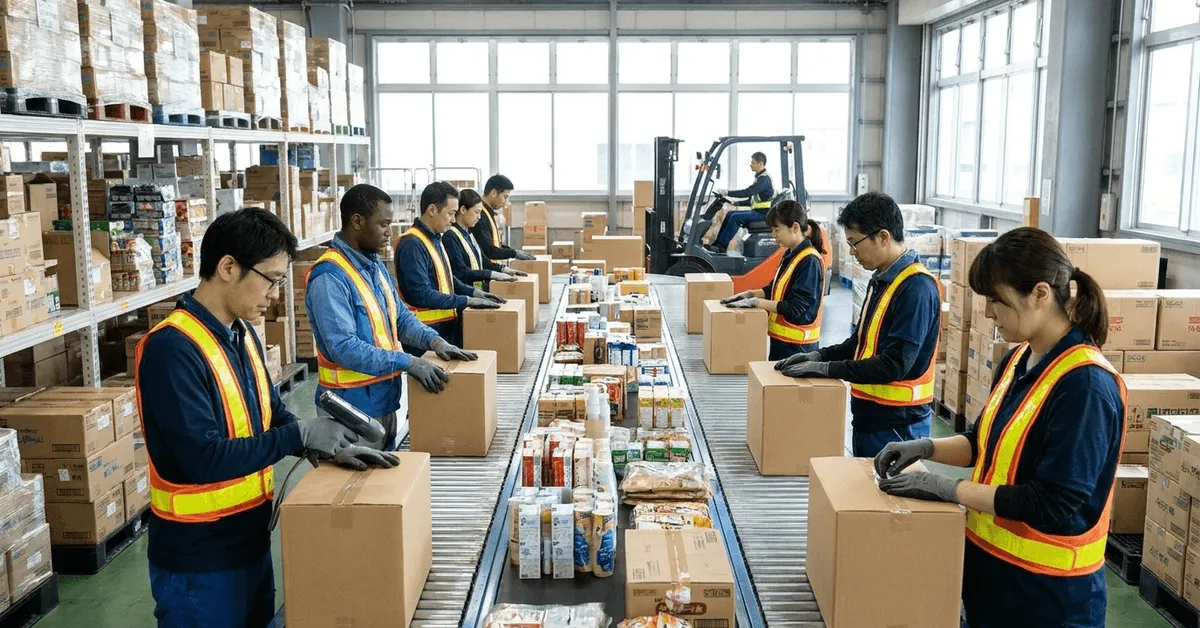
These roles tend to have relatively low language barriers, attracting both local workers and foreigners. Some may see this as a way to learn workplace Japanese while earning an income.
Eligibility and Hiring Requirements
Most packing jobs in Japan only require basic education. However, employers will expect eligibility to legally work in Japan. This means holding an appropriate visa or valid residence permit.
Japanese and foreign nationals must meet local labor regulations. Foreign workers usually apply through the Specified Skilled Worker (SSW) or Student visa categories, among others.
Work Permit and Language Skills
For non-Japanese applicants, having permission to work is essential. Packing roles may be filled by those with conversational Japanese, but many entry-level factory jobs require only minimal language ability.
Some companies offer on-site support or simple training in basic vocabulary. Employers may specify language requirements in job descriptions.
Health and Physical Requirements
Packing work often involves standing for extended periods, handling repetitive movements, and some lifting. Candidates are expected to be physically fit for the duties described by employers.
Routine safety checks and basic health screenings may be performed before hiring. Personal protective equipment is typically supplied by the employer.
Finding Packing Job Openings in Japan
Job seekers commonly search for opportunities through several channels. Official recruitment websites and staffing agencies often list active packing positions across Japan.
Major Japanese Job Portals
Reliable job boards such as Hello Work and GaijinPot Jobs provide regularly updated listings.
Companies in logistics and manufacturing frequently post jobs directly on their corporate websites. Some workers hear about openings through local networks or community groups.
Staffing Agencies
Staffing agencies, both Japanese and international, help match applicants with packing jobs tailored to their schedules and skill sets. Many agencies offer support in English and other languages.
Some agencies focus on short-term or seasonal assignments, while others have relationships with large warehouses and distribution centers for ongoing recruitment.
How to Prepare Your Packing Job Application
An effective application begins with a simple, accurate resume (called a rirekisho in Japan). Applicants should highlight basic work experience, physical ability, and any Japanese language skills.
Providing updated contact details and accurate work eligibility information can speed up screening. Including past warehouse, logistics, or manufacturing roles is helpful, though not always mandatory.
Tips for a Strong Resume
- Keep descriptions brief and specific around duties performed
- Mention reliable attendance and adaptability to shift work
- Include any certifications, such as forklift licenses, if relevant
Cover letters are often optional for this field, but may improve chances with larger companies. If included, they should focus on reliability, willingness to follow instructions, and teamwork.
The Interview and Screening Process
Screening for packing roles is straightforward compared to more technical positions. Many employers invite candidates to brief in-person or online interviews and ask about availability and work preferences.
Typical Interview Questions
- Can you work on your feet for multiple hours?
- Are you comfortable with repetitive tasks and assembly lines?
- What shifts are you available for, including evenings or weekends?
Some employers might conduct practical tests. These could involve simple packing simulations or following demonstrations to gauge attention to detail and efficiency.
Background and Health Checks
Employers often verify identity, legal work status, and sometimes request health check documentation. This is mostly to ensure safety and compliance with Japanese labor laws.
Work Conditions and Salary Expectations in Japanese Packing Jobs
Salaries for packing workers in Japan tend to be hourly wages, typically ranging from ¥1,000 to ¥1,400 per hour, depending on the region and company.
Work may take place in factories, warehouses, or fulfillment centers—each with different environments and temperature controls. Job postings often specify work attire and policies regarding breaks.
Benefits and Shifts
It's common for packing positions to include transportation allowances and occasional bonuses for regular attendance or overtime. Shifts may range from daytime to overnight, covering weekends and holidays.
Some workplaces offer subsidized meals or rest areas for longer shifts. Union membership is rare for entry-level packing workers but may exist in larger facilities.
Legal Considerations for Foreign Applicants
For non-Japanese workers, legal employment hinges on an active work visa. Those caught working illegally may face deportation or bans on reentry.
The Japanese government closely monitors visa and residency compliance for foreign labor. Applicants must double-check their visa category and maximum work hours permitted.
How to Apply for Packing Jobs in Japan Officially
After preparing a resume and identifying relevant job postings, applicants can submit their documents directly via employer websites or official agencies like Hello Work Japan’s English service.
Some employers may request in-person submission or interviews at their hiring centers. For foreign nationals, it’s important to bring residency cards and visa copies for verification during on-site processes.
Strong Conclusion and Next Steps
Packing jobs in Japan offer stability, immediate employment, and accessible requirements for many workers. By carefully preparing documents and targeting reliable listings, most applicants find roles that match their schedules and goals.
For those interested in pursuing these positions, the official government job portal, Hello Work Japan, remains a trusted way to apply safely. Taking a patient and thorough approach will improve results and ensure compliance with all legal standards.