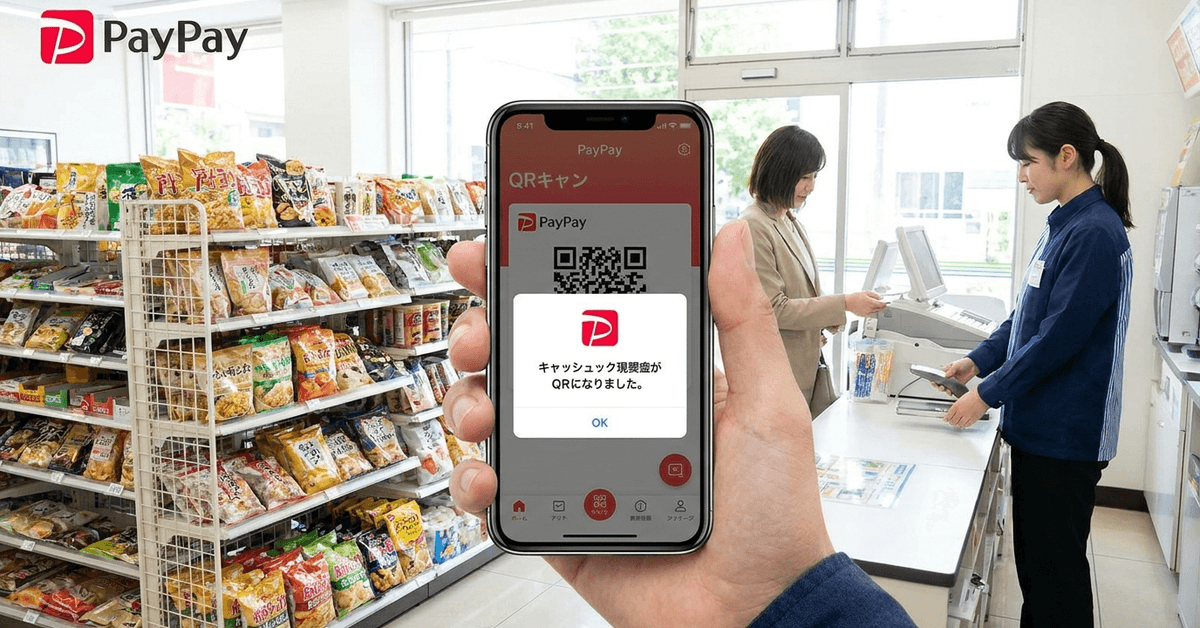
Register for the PayPay app in Japan today and it lets you skip 本人確認, the identity check. Skip it, and your account earns zero PayPay Step points under rules active since June 2, 2026.
Opening the account itself is easy: a Japanese phone number and an email get you in. The ID check is the part that unlocks bank top-ups and the reward system.
This guide is for foreign residents holding a residence card, especially newcomers in their first months who want one app that works at the konbini and the ramen counter.
Can Foreigners Register for PayPay Without a Japanese Bank Account?
Yes. A PayPay account needs only a Japanese mobile number in the 090, 080, or 070 format plus an email address, with no bank account or Japanese credit card required.
The catch is the number type. 050 VoIP numbers won't work, so check which format your SIM gave you before you start.
No bank account yet? Cash top-ups at convenience stores cover the gap until your account at Japan Post Bank or another bank opens.
How Do You Sign Up for PayPay, Step by Step?
Signup takes four moves: install the app, tap New Registration, enter your phone number and email, then type the SMS code and set a password.
The whole thing fits inside a ride between two Yamanote Line stations, assuming the code shows up on time.
Download PayPay Only From the App Store or Google Play
PayPay's official app is published on Apple's App Store and Google Play by PayPay Corporation. Check the developer name before tapping install.
Update to version 4.28.0 or later as well. Older versions can't run the chip-reading ID check PayPay now requires.
What If the PayPay SMS Code Never Arrives?
Codes usually land within seconds, though busy evening hours can slow them down. Wait a minute before tapping resend, then use the most recent code.
Still nothing? Check whether your plan blocks texts from unknown senders, then restart the phone and try again.
Is PayPay Identity Verification (本人確認) Worth Doing Right Away?
Yes, and I'd do it the same week the app is installed. Since June 2, 2026, PayPay Step points go only to users who have completed 本人確認, according to PayPay's own help pages.
The standard setup advice still labels verification optional, something for heavy users. I think that label expired on June 2, 2026, when unverified accounts lost PayPay Step rewards on top of their lower payment caps.
Verified vs. Unverified PayPay Accounts in 2026
PayPay spells out the feature gaps in its March 2026 identity verification announcement, which counted 40 million verified users at the time. The June points rule widened the gap further.
| Feature | Unverified account | Verified account (本人確認 done) |
|---|---|---|
| PayPay Step points | Not eligible since June 2, 2026 | Eligible |
| Top-ups from a bank account | Restricted | Available |
| Sending balance to a bank | Restricted | Available |
| Payment and transfer limits | Lowered | Standard |
| Paying in South Korea | Not available | Overseas Payment Mode works |
Every row tilts toward the verified side, and verification costs nothing but a few minutes.
The November 2026 Switch to Chip Reading
PayPay ended photo-based ID applications for My Number cards, driver's licenses, and driving history certificates by early November 2026. Those documents now go through IC chip reading with your phone.
Residence card holders get separate instructions inside the app, so follow the 本人確認 menu there rather than an older screenshot guide.
PayPay moved ahead of a revision to the Act on Prevention of Transfer of Criminal Proceeds enforcement rules scheduled for April 1, 2027.
Which ID Works for Foreign Residents?
Your residence card (在留カード) or My Number card is the document to use. A foreign passport is not a safe bet, so ignore any guide telling you to upload one.
Results arrive as a push notification, and the account settings screen shows your verification status at any time.
The Residence Card Renewal Trap
PayPay ties a verified account to the expiry date on the residence card you verified with. If that date passes while immigration is still processing your renewal, expect restrictions on the account.
So keep some cash on hand during renewal season, and update the card in the app the day the new one arrives.
How Can a Newcomer Top Up PayPay?
Cash is the easiest route in your first weeks. PayPay accepts cash top-ups at Seven Bank ATMs, which sit inside 7-Eleven stores across Japan.
My pick for week one is the Seven Bank ATM, since it takes yen notes and needs no bank account at all.
These are the top-up routes a new arrival will use, and what each one needs:
- Seven Bank ATM: insert cash, no bank account needed.
- Convenience store counters (7-Eleven, Lawson): show the barcode in the app and pay cash at the register.
- Linked Japanese bank account: the most convenient for regular use, but it requires 本人確認 first.
- Visa or Mastercard credit card: the only two card brands PayPay registers.
Why a Home-Country Credit Card Might Not Work
PayPay registers only Visa and Mastercard, and cards issued outside Japan may be rejected.
I'd skip the overseas card and wait for a Japanese one such as Rakuten Card, which links to PayPay without fuss.
What Mistakes Cost PayPay Newcomers Money?
The costliest mistakes are quiet ones, like points that never show up in your balance.
PayPay Step adds 0.5% to next month's point rate after 30 payments of ¥200 or more totaling at least ¥100,000 in a month. The full conditions sit on PayPay's Step help page, and they changed in June 2026.
Common PayPay Mistakes to Avoid
Watch for these five before they eat into your rewards:
- Paying with PayPay points and expecting Step credit. Point-paid purchases stopped counting on June 2, 2026.
- Charging Suica or other transit IC cards with a PayPay Card and expecting Step points. Those charges no longer qualify.
- Registering a 050 number that can't receive the SMS code.
- Letting your residence card lapse in the app during renewal.
- Expecting campaign cashback instantly. Rewards can take a day to a week to appear.
Should You Keep a Second Cashless App in Japan?
Yes, one backup is smart. Suica and PASMO are tap-to-pay transit IC cards that also work at many convenience stores and vending machines.
I'd pair PayPay with Suica, since it handles train gates that PayPay's QR codes can't. Rakuten Pay suits anyone already collecting Rakuten points, and LINE Pay closed its Japan service in 2025.
Ever stood at a register while the QR terminal froze? A backup card turns that moment into a shrug.
Questions People Ask About Registering for PayPay in Japan
A handful of questions come up again and again from newcomers setting up PayPay.
- Q: Can tourists use PayPay without a Japanese phone number?
Registration requires a Japanese number in the 090, 080, or 070 format, so a visitor on a roaming plan usually can't sign up. A local voice SIM is the workaround if your stay is long enough to justify one. - Q: How long does PayPay identity verification take in 2026?
The chip-reading method can finish on the same day, while the old photo-based reviews took three days to a week. Results arrive as a push notification, so there's no need to keep refreshing the app. - Q: Can I use PayPay outside Japan?
Verified users can pay in South Korea through Overseas Payment Mode, which launched in September 2025. Verification can't be completed abroad, so finish 本人確認 before your flight. - Q: Do I need to redo 本人確認 after getting a new residence card?
Plan on updating your card details in the app as soon as the new card arrives. Check the 本人確認 menu for the current steps, since PayPay changed its methods in November 2026. - Q: Is it safe to link my bank account to PayPay?
PayPay encrypts personal and payment data and monitors for suspicious traffic around the clock. Turn on payment notifications too, so any charge you didn't make shows up on your screen within seconds.
Conclusion
Registering for PayPay in Japan takes minutes, but the identity check decides what the account can really do. Since June 2, 2026, skipping 本人確認 means paying with PayPay while earning nothing from the PayPay Step program.
Verify with your residence card or My Number card, then set a reminder for that card's expiry date. Get those pieces right, and the next question becomes which konbini campaign to chase this month.